

Education isn’t a privilege, it’s a birthright. It’s also a fundamental building block for achieving the SDGs and creating a more sustainable future, as Citizen Zero discovers
When the Incheon Declaration, a framework for action on Sustainable Development Goal (SDG) 4 – Ensure inclusive and equitable quality education and promote lifelong opportunities for all – was signed in 2015 it set out a landmark vision for global education and its role as a key driver of sustainable development. The declaration builds on 2000’s Education for All and Millenium Development Goals with a strategy for education based on human rights and dignity, social justice, inclusion, protection, diversity, and shared responsibility and accountability. It represents a powerful statement of commitment from the global education community to the 2030 Agenda for Sustainable Development.
Said then UNICEF Executive Director Anthony Lake to the gathering of more than 1,600 participants from 160 countries: ‘Education is the key to a better life for every child and the foundation of every strong society – but far too many children are still being left behind. To realise all our development goals, we need every child in school and learning’. The message of both the declaration and the SDGs was clear: education is not a privilege, it is a birthright.
There has been progress since 2015, yet much work is still needed across all levels to meet the target outcomes of SDG 4 and all the 2030 Agenda for Sustainable Development’s 17 SDGs. Between Incheon in 2015 and 2021 worldwide primary school completion, lower secondary completion, and upper secondary completion increased albeit, according to the UN, progress over the period was notably slower than the 15 years prior. The percentage of students attaining basic reading skills by the end of primary school is forecast to rise from 51% to 67% between 2015 and 2030, but 300 million children and young people will still lack basic numeracy and literacy skills by 2030. An estimated 84 million will still be out of school by the same date.
Women and girls remain one of the most affected groups. Around 40% of countries still haven’t achieved gender parity in primary education – a disadvantage that starts a lifetime of less access to skills and fewer opportunities in the labour market. Persistent challenges include economic constraints, issues with learning outcomes and dropout rates in marginalised regions, and low levels of information and communications technology skills. Multiple global crises are also impacting progress. UNICEF says children in conflict-affected countries are more than twice as likely, and adolescents two-thirds more likely, to be out of school than in non-conflict affected countries; COVID-19 disruption caused learning loss in four out of five countries, says the UN.
Education and the SDGs
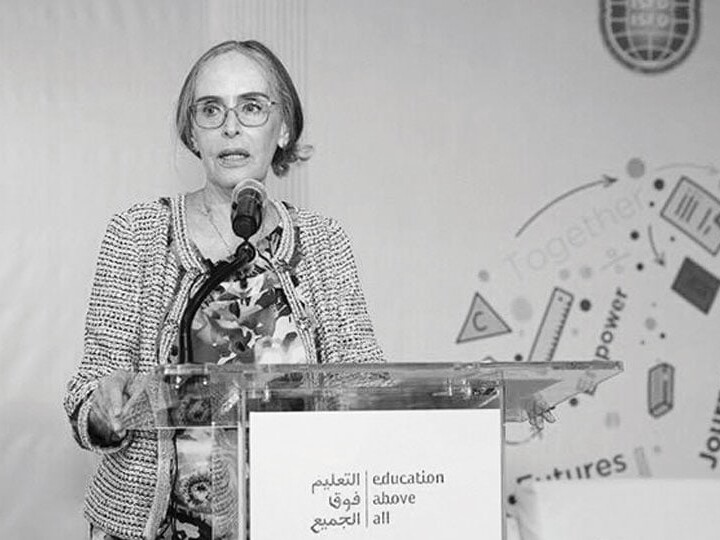
“We’re at the halfway mark to the SDGS and education, a key enabler of many of the goals, is in a deep crisis,” Educate A Child (EAC) Executive Director, Dr Mary Joy Pigozzi, tells Citizen Zero. EAC is a global programme of Education Above All Foundation, an organisation working to ensure equal access to education and use the power of quality learning for positive, sustainable, and inclusive change. EAC makes a material difference in the lives of children by providing access to quality primary education to millions of the hardest to reach out of school (OOSC) children around the world.
“The pandemic laid bare disparities in education that need immediate attention, and highlighted the critical importance of the sector,” Pigozzi states. “There’s an urgent need for almost 70 million OOSC across the globe to get an education that enables them to better contribute to a sustainable future, and millions more are not learning due to lack of, or misplaced, investment. Furthermore, what’s on offer often fails to deliver what is necessary for a sustainable life in this century. The effects of climate change and the increasing number of conflicts are only exacerbating the challenges faced by many frail and faltering education systems.”
Pigozzi points to education financing and national investment – acknowledged by the UN as essential in implementing SDG 4 – noting an estimated $97bn is needed annually at global level to meet 2030 targets. “COVID saw decreases in education funding that only the poorest countries have since tried to rectify,” she explains. “Domestic funding, by far the largest source of funds for education, is ill-equipped to meet needs, and those at the bottom of the pyramid continue to have fewer resources invested in them. Additional funds are key to any major fixes at scale so we must innovate with financing, address the debt crisis, and move away from current finance models if we’re to reach the SDGs and build a peaceful, sustainable planet.”
In the context of sustainable development, education is a public good and a human right, and must focus on inclusion, equity, and giving everyone an equal opportunity, in particular those in marginalised or in vulnerable situations. As a standalone goal, SDG 4 comprises seven outcome targets for universal primary and secondary education, early childhood development and universal pre-primary education, equal access to vocational and higher education, relevant skills for decent work, gender equality, universal youth literacy, and education for sustainable development and global citizenship.
Beyond this, however, a strong and effective education system underpins the entire 2030 Agenda for Sustainable Development and is recognised as essential for success across all of the SDGs, particularly those focused on growth and unemployment, building decent and fair work environments, health and wellbeing, climate change, sustainable consumption, innovation, and production. It is also essential to improving social mobility and opportunities for young people, and as we’ve discussed in our Purpose Power interview with Eloise Skinner.
“As a catalyst for individual and societal progress, equipping people with the knowledge and skills needed to tackle complex global challenges is vital,” Pigozzi affirms. “Education prepares and empowers people to make informed decisions about their health and life, contributes to economic growth and social cohesion, and equips us to engage in important mandates like environmental preservation. Without it, many other goals like poverty reduction, no hunger, good health, gender equality, and peace and justice, become significantly more challenging – if not impossible – to attain. It’s not standalone, but an enabler of other goals that fosters cross-sector collaboration to help tackle the complex and interrelated nature of the SDGs. Education is a fundamental building block for a more sustainable future.”
“We’re at the halfway mark to the SDGS and education, a key enabler of many of the goals, is in a deep crisis”
— Dr Mary Joy Pigozzi, Executive Director, Educate A Child
Learning and global citizenship
SDG 4’s target outcome 4.7, Education for sustainable development and global citizenship, encapsulates Pigozzi’s point well. It looks beyond traditional academia to recognise the importance of knowledge and skills that promote sustainable development, including education for sustainable development and lifestyles, human rights, gender equality, global citizenship, and appreciation of cultural diversity and its contribution to sustainable development.
“Awareness is critical for future generations, and education gives us a view of the challenges faced by global society,” says Bryan Bibby Smith, discussing the importance of a wider world view in education. “To make a difference we must understand the challenges the world faces, from gender inequality, poverty, and hunger, through to natural disasters and the impacts of climate change. Having the knowledge and awareness of these challenges, and how the consequences of our actions impact both local and global communities, enables us to contribute to positive change.”
Smith coordinates the Global Citizen Diploma (GCD) at ACS International School Hillingdon, which encourages students to foster self awareness and self-directedness in relation to their own experiences locally and globally, and in the context of sustainable development and SDG targets. The GCD is organised around key themes and recognises the importance of activities students engage with outside the classroom – volunteering with charities, involvement in student councils, community engagement, involvement with forces like the fire service, the police, or the cadets, and even athletic pursuits or creative work.
“The way it contributes in terms of students becoming more globally-minded citizens is critical,” Smith tells us. “It provides a framework and recognition for those activities so students have a resume of experience and skills, and are better able to articulate the way they’ve developed as an individual and a citizen of the world. There’s direct connection with the SDGs, particularly during community engagement. Students identify which of the goals they’re striving to achieve and consider how the organisation they want to work with addresses sustainable development.”
A key touchstone of the GCD, says Smith, is the idea that each individual is more than their number – we all have a role to play in building a better and more sustainable future. “One of the final questions students answer is how the diploma has changed them as global citizens, making them aware of the actions we take in our own lives and the impact they have on our own communities, broader communities, countries and, by extension, the world. Universities, internships and workplaces are seeking people with broader experience and the ability to engage beyond their grades. It’s important to show that young people aren’t just academic, but good global citizens.”
Educating and developing the leadership skills of young people for positive change and sustainable development is also a foundational element of the work being delivered at Education Above All and EAC, says Pigozzi. In this instance, in the form of youth involvement, civic engagement, and volunteerism. “It empowers them as advocates and peacebuilders, and is fundamental for SDG 4 and so many of the other SDGs,” she says. The organisation has trained thousands through programmes like Protecting Education in Conflict which builds networks of peacebuilders in conflict-affected regions, and Reach Out To Asia, a programme that instils citizenship, mobilises young people as advocates, and equips them with green skills to address future climate challenges.
“To make a difference we must understand the challenges the world faces, from gender inequality, poverty, and hunger, through to natural disasters and the impacts of climate change”
— Bryan Bibby Smith, Global Citizen Diploma Coordinator, ACS Hillingdon
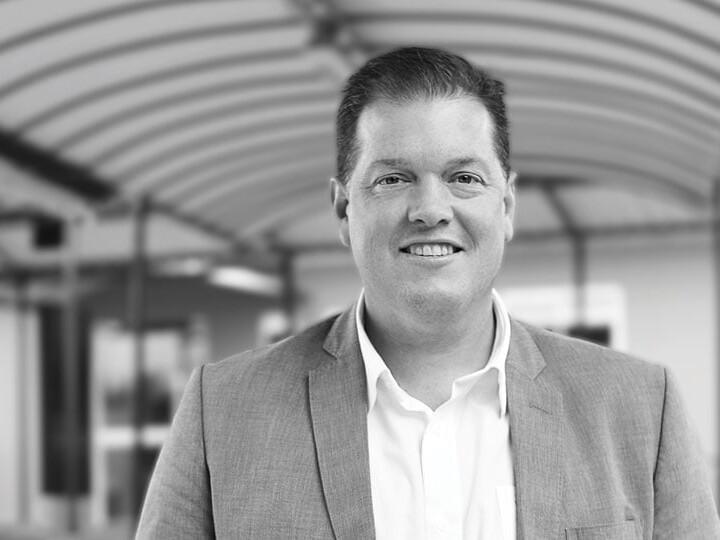
“To achieve sustainability transitions at speed and scale, we need significant investment in education to make sure we’re building the next generation of change agents”
— Matt Gitsham, Director, Hult Sustainability Research Impact Lab

Educating tomorrow’s change makers
At Hult International Business School’s Sustainability Lab research helps accelerate achieving the SDGs. The Lab’s ecosystem of researchers focus on changes in practice and impact in the world around five themes: how to lead sustainability transitions across entire industry sectors, how the senior executive leadership role is evolving in line with sustainable development, social entrepreneurship and innovation for the SDGs, diversity equity, inclusion and belonging, and embedding the UN Guiding Principles on Business and Human Rights.
“Education for sustainability is important at every educational level in all settings, especially universities and business schools educating today’s and tomorrow’s business leaders,” Director of the Sustainability Lab, Matt Gitsham tells Citizen Zero, discussing the importance of SDG 4 target 4.7, around education for sustainability.
Businesses and their leaders have a fundamental role to play in delivering on SDG ambitions, whether through better and more inclusive employment, driving technology and innovation, realising the financial investment necessary, or reducing the negative impact of their activities. At Hult, research centres around equipping leaders with the skills and knowledge necessary to address these challenges and opportunities. “Education is one of the most effective leverage points to intervene in a system to raise awareness and shift thinking about the norms that have been governing our current system, and how they need to change,” Gitsham says. “To achieve sustainability transitions at speed and scale, we need significant investment in education to make sure we’re building the next generation of change agents.
“The Lab supports research that has a direct impact on influencing practice around the challenges at the heart of the SDGs,” he adds. “As an example, we’ve led research projects on corporate leadership and modern slavery. Our findings have influenced corporate practice on human rights due diligence on modern slavery in supply chains, the design and introduction of modern slavery regulation in Australia and other jurisdictions, and the kinds of ESG questions relating to modern slavery asked by investors – all of these shifts in practice contribute towards achieving specific SDGs such as 8.7 and 5.2 on trafficking and modern slavery.”
Sustainability is integrated across all core courses and assessments in Hult’s management education curriculum, Gitsham tells us. There’s also the Hult Prize, an annual competition for solving the planet’s most pressing social issues. It encourages a departure from deeply embedded assumptions that businesses can either do the right thing, or the thing that makes money. Rather, the Hult Prize encourages students to innovate in the context of sustainability – previous winners include a solution turning banana crop waste to a plant-based and vegan leather, and a social impact rice brand combating world hunger and alleviating poverty.
A recent project at Central Saint Martins, University of the Arts London demonstrates why education is imperative to equip the skills and knowledge needed to build a sustainable future. The college collaborated with Finnish forestry company UPM, which found a way of upcycling and biorefining wood and forest management by-products to produce biochemical ingredients that a range of industries can use instead of fossil fuels in plastics and other materials.
Fifty product and industrial design students took on a brief built on sustainability and wellbeing themes, and reappraised how multiple industries can make the urgent shift to renewable circularity. They considered how the application of the material in a certain product type may encourage greater engagement with the natural world.
“We’re a socially engaged institution and, as such, are very concerned about people and the environment. Education plays a large role in that,” Nick Rhodes, Programme Director, Product, Ceramic and Industrial Design explains to Citizen Zero. “The university has a manifesto that speaks to our position on the climate emergency and social empowerment; how we view both issues directly affects the way we teach and learn. Our students are aware of the impacts of climate change, and of the disparities in access to certain resources and education and they’re committed to addressing these challenges.
“As product and industrial designers, our contributions make a difference to the physical environment,” Rhodes says. “It’s incumbent on us to reduce or reverse the impact of what we do and to make sure – as far as is humanly possible – that what we design and put out into the world benefits humanity and our natural environment.”
The students’ work directly contributes to SDG 11, Make cities and human settlements inclusive, safe, resilient, and sustainable. Winning designs include an outdoors survival kit for camping made of fully recyclable components, a sustainably sourced and recyclable snowboarding binding, a fully circular furniture set, a modular shoe designed to address the issue of shoe waste [the average pair of trainers generates 30 lbs of CO2 emissions and the synthetic materials used in production take years to biodegrade], and a mono-material and modular motorcycle armour.
Sustainability, design, education
Students from Central Saint Martins, University of the Arts London participated in an innovative sustainability and design partnership with UPM. They used a wood-based material that removes fossil fuels from plastics and reduces carbon footprint to rethink everyday products using circular and sustainable principles. The initiative directly relates to SDG 11, Make cities and human settlements inclusive, safe, resilient, and sustainable, but also pioneers an innovative way to use education to drive practical action.
1 MOUVICK ABC: a sustainable, durable, and washable alternative to plastic bags for ‘ploggers’, who combine exercise and picking litter.
1 ECOFLEX: a mono-material and modular motorcycle armour for people in developing countries who rely on motorcycles but face high crash statistics.
3 PRIMA: weather resistant, user-friendly, and fully-recyclable outdoor survival and camping equipment designed to connect people with nature.

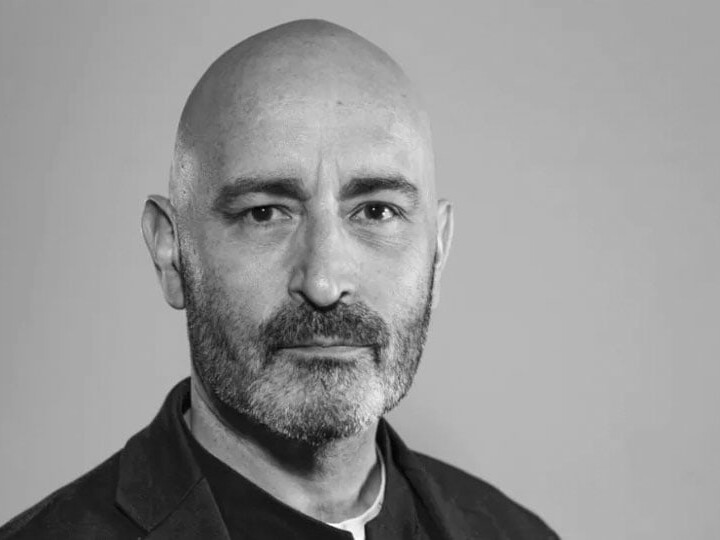
“It’s incumbent on us to reduce or reverse the impact of what we do and to make sure – as far as is humanly possible – that what we design and put out into the world benefits humanity and our natural environment”
— Nick Rhodes, Programme Director, Product, Ceramic and Industrial Design, Central Saint Martins, University of the Arts, London

Success for everyone
The Incheon Declaration set out several key steps to deliver on SDG 4 and the other sustainable development goals. Significant additional financing is essential, as is the need for good governance, citizen-led accountability in education, increasing the numbers of teachers available, and providing safe, non-violent, and inclusive learning environments. Achieving SDG 4, says the declaration, ‘means that success can only be declared when it can be declared for everyone’.
“It comes down to two things: prioritisation and funding,” says Rhodes of the challenges in providing fairer and more inclusive education. Gitsham points to several areas including identifying the learning needs, topics, and skills that must feature in curricular, as well as the most effective pedagogies for enabling learning, how to motivate educators to bring these themes to their teaching, and ways in which we can overcome ‘institutional inertia’ to speed up and accelerate progress.
For Pigozzi, a multi-sectoral approach underpinned by collaboration that reflects the interconnected nature of the SDGs is crucial. “It recognises the interlinkages among the SDGs and provides ways to approach the complex problems that need to be overcome for us to reach a sustainable future,” she says. “Working across sectors means more funds can be secured, and technical expertise and other support can be shared. It also encourages innovation through exchanging ideas and practices, enables policy coherence, and improves monitoring and evaluation. Protecting schools and universities is also critical for SDG 4. We’ve seen an alarming rise in conflicts and, since 2018, more than 25,000 students and teachers have been harmed. Attacks on education are a step backwards in our journey towards a sustainable future.”